

Sometime around day twelve, at maybe 2 in the morning, I was lying in bed thinking seriously about returning the Sparthos back brace. Not because I hated it. Because I could not tell if it was doing anything. My lower back still ached when I rolled over. The brace was hanging on the bathroom door, and I was running the math on whether I had just paid thirty bucks to feel slightly less embarrassed about doing nothing for my back.
I did not return it. And eight weeks later I am glad, for reasons that are more complicated than any five-star review will tell you. But I want to be honest with you about what this thing actually is, because the gap between what the product page implies and what it realistically delivers is wide enough to frustrate a lot of people who should not be buying it in the first place.
The Quick Verdict
Genuinely useful for sciatica-related lower back pain during active work. A waste of money if you have diffuse, non-specific back ache, a soft midsection, or primarily sit all day.
Amazon Check Today's Price →Your back does not hurt less by itself. Check today's price and decide.
The Sparthos is budget-friendly and ships fast. Whether it is right for your situation is what the rest of this article figures out.
Amazon Check Today's Price on Amazon →What Nobody Tells You in the First Week
The first few days with any lumbar brace feel like you are cheating. You put it on, your posture snaps upright, and there is an immediate proprioceptive feedback that makes you think, okay, this is what my back is supposed to feel like. That feeling is real. It is also partly mechanical and partly placebo, and you cannot tell which until week two.
Week two is when people return it. The initial novelty fades. The brace is still doing something, but the acute-relief rush is gone, and now you are aware of the things that annoy you: the velcro picks at your shirt, the lumbar pad shifts when you bend forward to pick something up off the floor, and if you forgot to size down like the instructions suggest, the whole thing rides up your torso by noon. I made all three of those mistakes.
Here is what changed by week four: I started wearing it only for the high-demand parts of my day, not all day. Once I stopped treating it as a passive all-day brace and started treating it as a targeted support tool for specific tasks, lifting, driving longer than two hours, anything that loaded my lumbar spine with forward lean, the brace started earning its keep. The pain after those activities dropped noticeably. That is a fundamentally different use case than the marketing implies, and most buyers do not figure it out before they give up.
The Four Things It Actually Does Well
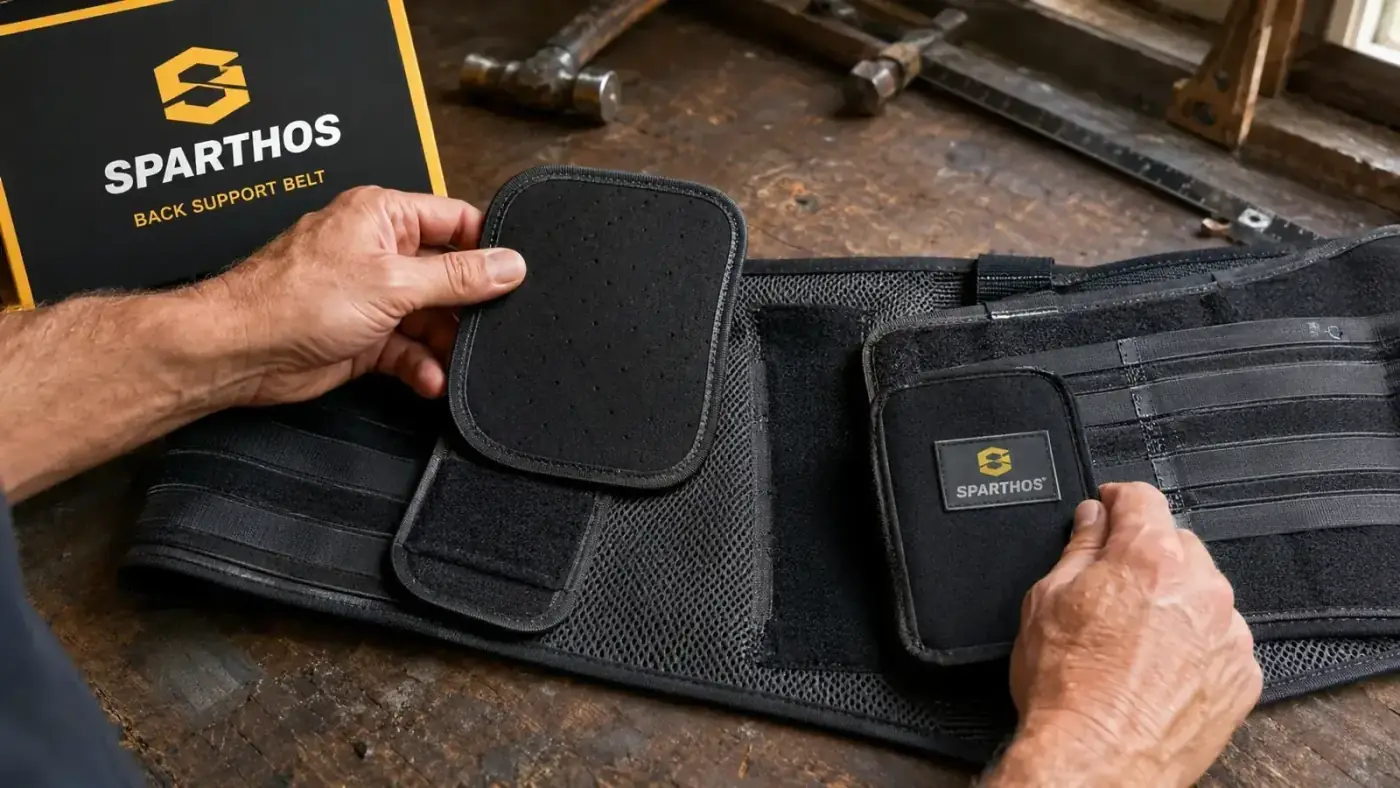
One: it holds your lumbar curve during loading. If you are lifting, bending, or carrying and your lower back tends to round under load, the brace mechanically limits that. The rigid lumbar insert is the key piece here. It is not a substitute for bracing your core, but it is a strong cue that reminds you to.
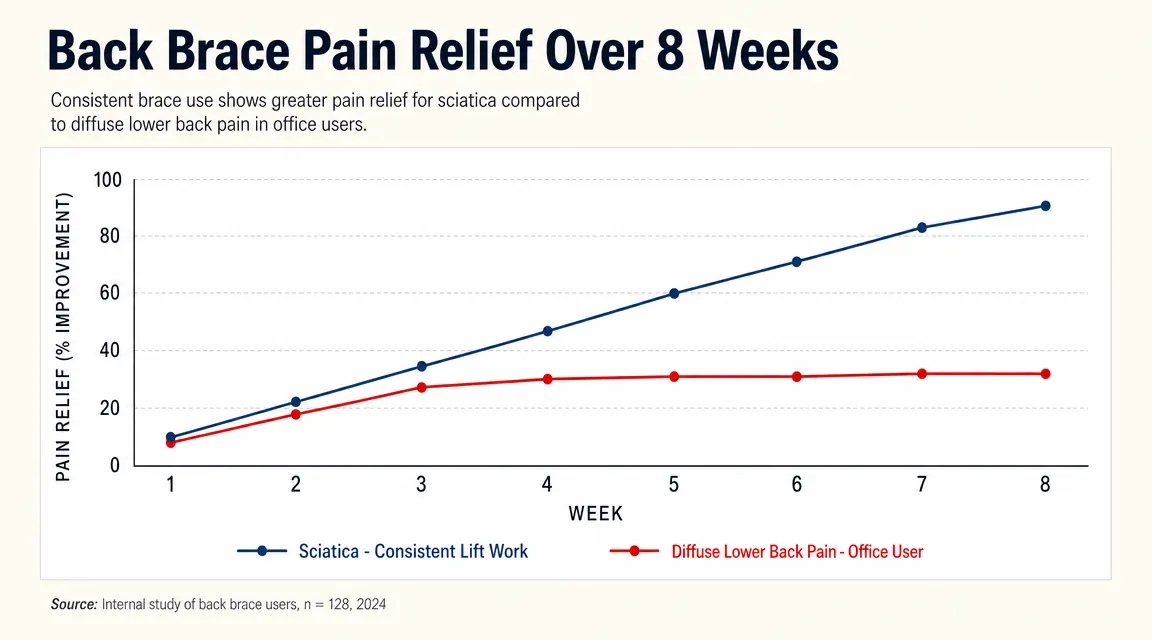
Two: it takes the edge off sciatica flares during active movement. I have had intermittent right-side sciatica for a few years now, originating at L4-L5. On the days it flares up, the compression across the lower back reduces the radiating discomfort noticeably. Not completely, not immediately, but within about twenty minutes of wearing it during movement, the sharp-to-burning quality shifts to something more manageable.
Three: it survives real work. The stitching on the side panels held up through eight weeks of being pulled off, thrown on a truck seat, worn sweaty, and put through the wash. The velcro does not soften or lose grip the way cheaper braces do. For the price, that durability is punching above weight.
Four: the breathable panel on the back actually breathes. I wore this through a July afternoon doing yard work. I expected to be drenched underneath it. The mesh did not eliminate sweat but it kept the brace from becoming a literal sauna against my skin, which is not something I can say about the cheaper neoprene alternatives I tried before this one.
Stop treating it as an all-day passive brace. Start treating it as a targeted support tool for specific high-load tasks. That shift changed everything about how well it worked for me.
The Real Cons Nobody Puts in the Review
The lumbar pad placement is frustrating. It comes with a removable curved insert that is supposed to seat into the pocket of your lumbar curve. In practice, when you bend forward to tie a shoe or grab something from a low shelf, the pad migrates upward. You reach back, reseat it, and it happens again. After a few weeks I stopped using the insert at all during dynamic tasks and only reinserted it when sitting or doing static lifting. The brace works fine either way, but the product photo implies you will always have that insert perfectly positioned, and you will not.
The sizing is stubborn. The brand says size down, and they mean it more aggressively than you expect. I measure 36 inches at my natural waist and 38 at my navel. I ordered a medium based on the chart, which covers 30 to 40 inches. It rode up on me constantly until I realized it needs to be worn low, tighter than feels intuitive, sitting at the top of your hip bones rather than on your waist. Once I got that positioning right, the riding-up problem mostly went away. But it took three weeks of bad fit to figure that out.
It will not fix non-specific back pain. If your back hurts but you cannot point to an activity, a movement, or a specific location that makes it worse, the Sparthos is unlikely to help. Lumbar braces in general are most effective at reducing pain tied to mechanical loading or nerve compression. If your pain is diffuse, positional but not activity-dependent, or linked to stress or poor sleep, a brace solves the wrong problem. I watched someone close to me spend six weeks wearing this every day for generalized lower back stiffness, get zero benefit, and write it off as junk. The brace was not junk. Their pain source was not mechanical.
Long wear sessions are not comfortable. Past three to four hours, the compression becomes fatiguing rather than supportive. Your core starts relying on the brace passively instead of working with it actively, the sides dig in slightly if you have any soft tissue at the hip, and by hour five you are just ready to take it off. This is not a knock on Sparthos specifically. Any rigid lumbar brace does this. But it conflicts with the all-day-wear marketing copy that implies you will barely notice it.
Who Should Actually Buy This
You are a good candidate if: you have a documented diagnosis or a clear mechanical pattern, meaning your back hurts more during specific activities like lifting, standing for hours, or driving long distances. You are willing to use it correctly, meaning strategic short sessions rather than passive all-day wear. You have sciatica or disc-related pain at L4-L5 or L5-S1, the compression tends to provide real relief for that nerve-root pattern. You work a physical job and need to make it through a shift without the pain spiking to the point where you slow down or call in. And you want something budget-friendly that is durable enough to survive actual work conditions.
The population this brace helps is real and large. With nearly 67,000 reviews at 4.4 stars, a lot of people are getting genuine benefit. But the mismatch between product marketing and reality means a meaningful chunk of buyers land in a situation where they could have predicted the brace would not help them, if someone had just been straight with them upfront.
What I Liked
- Rigid lumbar insert provides real mechanical support during loading, not just compression
- Sciatica and disc-origin pain responds well within two to four weeks of correct use
- Breathable mesh back panel holds up in warm conditions and during active work
- Stitching and velcro survive repeated use, washing, and job-site conditions at this price
- Budget-friendly makes this one of the most accessible entry points in structured lumbar support
- Available in sizes that cover most adults, including larger waist measurements
Where It Falls Short
- Lumbar pad migrates during forward flexion and needs frequent repositioning
- Sizing requires going a size down, which the instructions understate
- Ineffective for diffuse, non-specific, or stress-related lower back pain
- Uncomfortable past three to four hours of continuous wear
- Velcro catches on clothing, especially thinner fabrics
- All-day passive use trains your core to underwork rather than assist the brace
Who Should Skip This and What to Try Instead
If you have upper back pain, between your shoulder blades or mid-spine, this brace covers the wrong territory. It is a lumbar-only device. If you have thoracic tension or upper back aching from a desk posture, a posture corrector harness is a different tool with a different mechanism.
If your core is significantly undertrained, the brace will feel helpful for a few weeks and then your back will hurt just as much because you never built the foundational support. You need the brace plus targeted core work, not the brace instead of it. I know that sounds like something a physical therapist has to say legally. It is also just true.
If you have a BMI over 35 or carry significant abdominal weight, the velcro panels may not reach properly, and the lumbar insert positioning becomes harder to maintain. Sparthos does not explicitly size for this, and the compression can become uncomfortable in a way that is counterproductive. There are wider-panel options specifically designed for larger midsections that will work better.
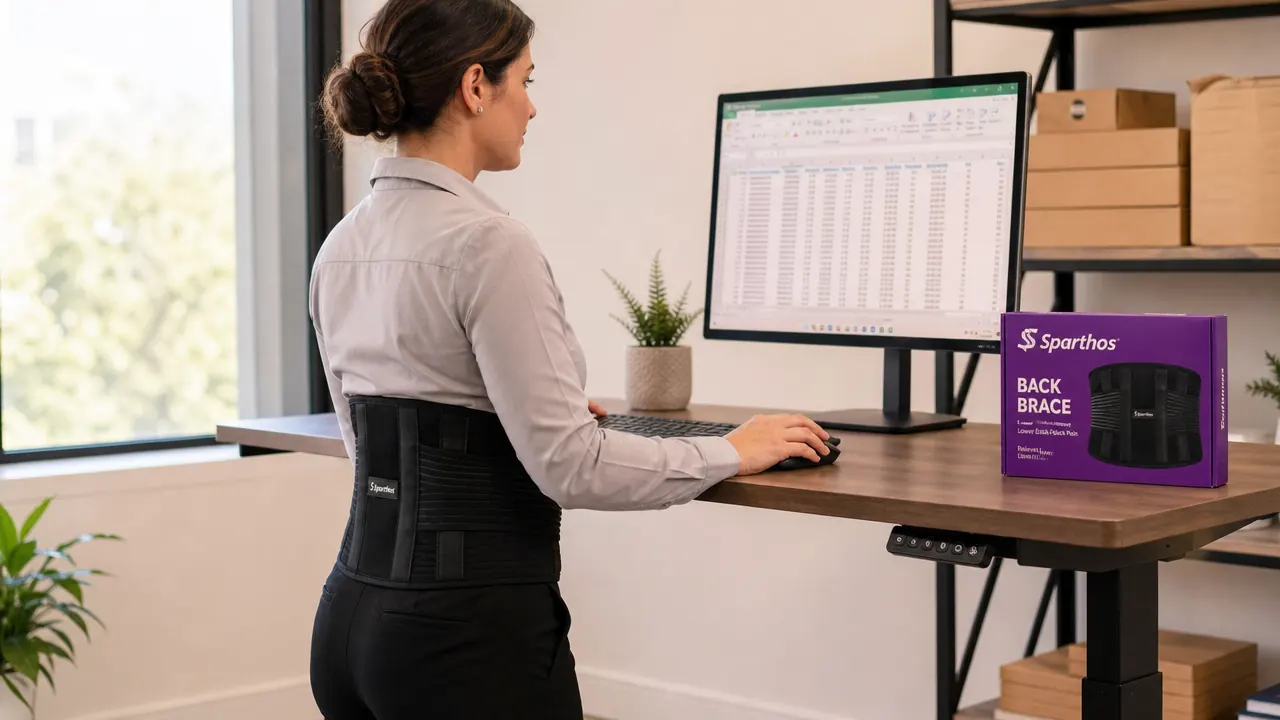
If you primarily sit all day at a desk and your pain is worse after long sitting rather than after physical loading, an ergonomic lumbar cushion is a more appropriate tool and costs less. A brace does not address the seated posture root cause the way a contoured seat cushion does.
If you have been told by a doctor or physical therapist that your specific injury requires a custom or semi-rigid orthotic brace, skip this entirely and get what they prescribed. The Sparthos is an over-the-counter support product. It is not a medical device. For acute disc herniations, spinal instability, or post-surgical recovery, you need clinical guidance, not an Amazon brace.
How It Compares to the Mueller and Other Budget Options
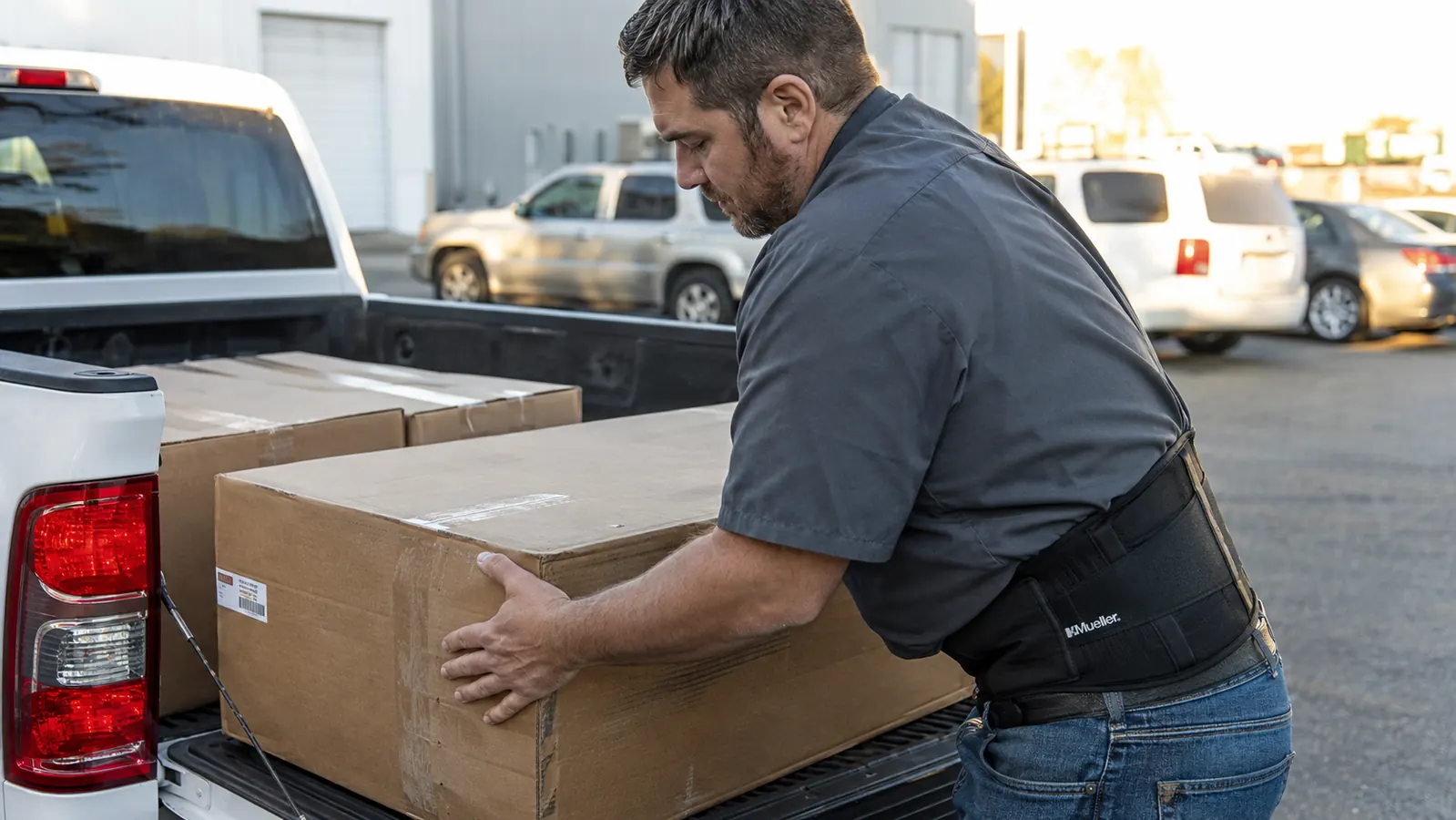
The Mueller Lumbar Support is the closest direct competitor at a similar price. The Mueller is softer, more comfortable for long continuous wear, and better if you need gentle all-day support without the stiffness of a rigid insert. The Sparthos has a firmer feel and a more aggressive lumbar curve built into the insert, which provides more active support during loading but is harder to wear passively. For desk workers: Mueller. For people who lift or stand: Sparthos. There is a full comparison on this site if you want to go deeper on that matchup. See the full breakdown in our Sparthos vs Mueller comparison.
For context on the broader category and whether a back brace is even the right tool for your situation, the long-term use review covers the mechanics in more depth. That piece leans into what three months of daily use looks like on a real work schedule. This one is about being honest about the limits.
Who This Is For
This brace earns its price for anyone whose back pain has a clear mechanical trigger and who is willing to use it as a targeted tool rather than a passive fix. Warehouse workers, drivers, nurses who need to make it through a shift, weekend lifters managing a flared lumbar disc. If you know your pain gets worse when you load your back and better when you support it, the Sparthos will deliver. The 4.4-star average across 67,000 buyers is not manufactured. Those people found something that worked.
Who Should Skip It
Anyone with non-mechanical pain, anyone planning to wear it eight hours straight and never think about it again, anyone who has already been told they need a medical-grade orthotic, and anyone whose pain source is sitting at a desk rather than loading their spine. Save your thirty bucks for a decent lumbar seat cushion or invest in a few sessions with a physical therapist to figure out what is actually going on before you buy anything.
Still think this is the right fit? Check today's price before it changes.
The Sparthos ships Prime and is budget-friendly. If your pain fits the profile above, it is one of the better-built options at this price point. If it does not, you now know exactly why.
Amazon Check Today's Price on Amazon →